


 Shop Dog
 Shop Cat
 Vet Know-how
 About Us
 Contact
10 Tips for a Stress-Free Christmas for Pets
December 23rd 2025
Christmas is a wonderful time filled with celebrations, visitors, decorations, and plenty of treats, but while we’re soaking up the festive cheer, it’s easy to forget that this busy season can be overwhelming for our pets. Changes to routine, loud noises, unfamiliar guests, and tempting (but unsafe) foods can all cause stress for our furry family members.
Although many pets love being part of the excitement, too much activity can sometimes leave them feeling anxious or even put them at risk. That’s why we’ve put together these ten simple and practical tips to help keep your pets calm, comfortable, and safe throughout the festive period, so everyone in the household can enjoy a truly stress-free and joy-filled Christmas.
Signs your pet might be stressed
During the Christmas period, and throughout the rest of the year, it’s important for pet owners to recognise the signs of stress in pets. Festive changes such as visitors, loud noises, decorations, altered routines, and travel can all trigger anxiety in dogs and cats. Being aware of the early warning signs of pet stress can help you step in quickly and prevent the situation from escalating.
One of the most common indicators of stress in pets is a change in behaviour. This may include hiding, pacing, restlessness, destructive behaviour, or increased vocalisation such as barking, whining, or meowing. Some pets may become clingier, while others may withdraw and seek solitude. Physical signs of stress can also appear, including shaking or trembling, changes in appetite, vomiting, diarrhoea, or other stomach issues.
There are also more subtle signs of stress in pets that are often overlooked. These can include excessive licking of lips, panting when not hot or exercising, flattened ears or ears held back, tail tucking, tense body posture, yawning, and avoiding eye contact. Cats in particular may show stress through over-grooming or changes in litter tray habits.
All pets experiences stress differently, so it’s important to understand what is normal for your pet and recognise when something feels “off.” By learning your pet’s individual stress signals, you’ll be better prepared to support them during busy periods like Christmas and create a calm, safe environment that helps them feel secure and relaxed.
Be careful with decorations
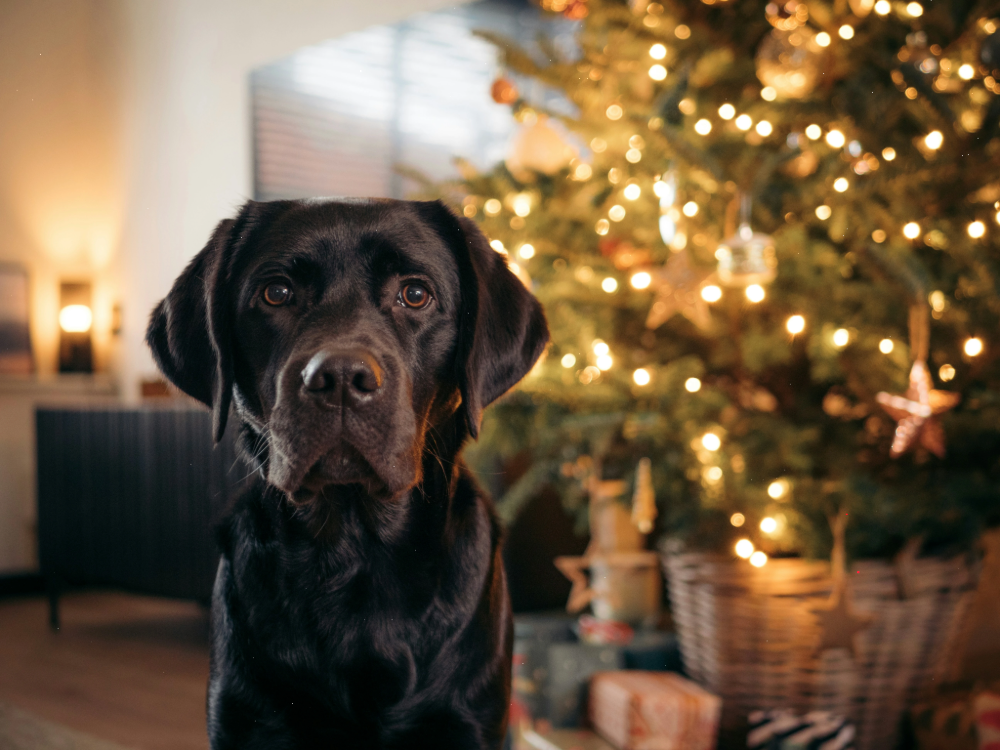
Christmas decorations can make your home look festive and inviting, but they can also pose potential risks for pets. Sudden changes to your pet’s environment, such as a Christmas tree, flashing lights, or new ornaments, can be unsettling and may cause stress or anxiety, especially for animals that thrive on routine.
Decorations can also create new temptations for curious pets. Tinsel, baubles, ribbons, fairy lights, and wrapping paper may look like toys, but can be dangerous if chewed or swallowed, potentially leading to choking, intestinal blockages, or electrical injuries. Breakable ornaments can also shatter, increasing the risk of cuts to paws or mouths.
To keep your pets safe and stress-free, place decorations out of reach where possible, secure your Christmas tree, and avoid using items that could easily be chewed or pulled down. Creating a pet-safe festive environment helps reduce stress and allows everyone in the household, pets included, to enjoy the Christmas season safely and comfortably.
Maintain a routine
Many pets, especially dogs, thrive on routine, as it provides them with a sense of security and stability. During the busy Christmas period, it can be tempting to change schedules, stay out later, or skip regular activities, but even small disruptions can be stressful for pets.
Sticking to regular walk times, consistent feeding schedules, and familiar play and rest periods helps your pet feel reassured and grounded, even when there is extra excitement in the household. Maintaining normal routines also supports good behaviour, digestion, and overall well-being.
While some flexibility is unavoidable during the festive season, making a conscious effort to keep your pet’s daily routine as consistent as possible will help prevent anxiety and stress. By preserving these familiar patterns, you can help your pet feel calm and comfortable throughout the celebrations.
Provide Mental and Physical Stimulation
With colder weather and busy festive schedules, pets may not get the same level of exercise or enrichment they’re used to. Boredom and pent-up energy can quickly lead to stress, anxiety, or unwanted behaviours during the Christmas period.
Be available for regular walks, play sessions, and mental stimulation such as puzzle toys, training games, or scent-based activities. Even short but consistent activities can help your pet burn off energy and stay mentally engaged. Providing appropriate stimulation helps keep your pet calm, happy, and relaxed, making the festive season more enjoyable for everyone.
Create a safe space
The festive period can be busy and chaotic, with visitors coming and going, music playing, and lots of activity around the house. While this excitement is enjoyable for us, it can feel overwhelming and stressful for pets who are sensitive to noise and changes in their environment.
To help your pet feel secure, it’s important to create a quiet, safe space where they can retreat when things become too much. This could be a cosy bed in a low-traffic room, a crate with the door left open, or a familiar corner filled with their favourite blankets and toys. Make sure this area is easily accessible and free from loud noises, decorations, or constant interruptions.
Giving your pet a dedicated safe space allows them to relax and self-soothe during stressful moments, helping them feel calm and protected throughout the festive season.
Hoover any mess from the tree
When choosing a Christmas tree, it’s important to consider the safety and well-being of your pets. Real Christmas trees can pose hidden risks, especially for cats. Pine needles are mildly toxic to cats and may cause irritation, drooling, vomiting, or stomach upset if ingested. Fallen needles can also be tempting for pets to play with or chew.
If you have a cat, you may want to consider using an artificial Christmas tree or choosing a low-drop, non-shedding variety to reduce the number of needles on the floor. Regularly hoovering around the base of the tree helps prevent pets from swallowing needles, sap, or small decorative pieces.
This advice is equally important for dogs and other pets. While Christmas tree needles are not toxic to dogs, they can still be sharp and difficult to digest, potentially causing choking or intestinal blockages. Keeping the area clean and free from fallen needles helps reduce stress and keeps your pet safe, giving you peace of mind throughout the festive season.
Supervise pets and children
During the festive period, families and friends often come together, and homes can quickly become busy and crowded. While this is a joyful time, it can be stressful for pets, especially those who are not used to being around children or large groups of people.
Children may not always understand how to recognise a pet’s boundaries or stress signals and can unintentionally be too loud, grabby, or overexcited. This can lead to pets feeling frightened or overstimulated, which may result in defensive behaviour. This situation can be risky for both the child and your pet if stress levels become too high.
To keep everyone safe, it’s important to clearly explain your pet’s boundaries to children and teach them how to approach animals calmly and respectfully. Always supervise interactions between pets and children and never leave them alone together. If you’re concerned about safety or signs of stress, it may be best to give your pet some quiet time in another room or their safe space. This helps reduce anxiety and ensures a happy and stress-free festive environment for everyone.
Manage Noise and Visitors
Christmas often brings louder environments, from music and parties to doorbells, fireworks, and large groups of visitors. For many pets, especially those sensitive to noise, this can be overwhelming and stressful.
Try to keep noise levels manageable where possible and give your pet access to a quiet area away from guests. Playing soft background noise or calming music can help mask sudden sounds. Limiting forced interactions with visitors and allowing your pet to choose when they want to socialise will help them feel more in control and relaxed during the festive season.
Be aware of toxins
The festive season introduces many foods, decorations, and plants into the home that can be harmful, or even toxic, to pets. Being aware of common Christmas toxins for pets is essential for keeping them safe and ensuring a stress-free and happy holiday period.
Many festive treats and household items that are harmless to humans can cause serious health issues for pets if ingested. Symptoms of poisoning in pets may include vomiting, diarrhoea, drooling, lethargy, tremors, seizures, or stomach pain. In severe cases, toxicity can require urgent veterinary attention, which can be distressing for both you and your pet.
Common festive toxins to keep away from pets include:
- Chocolate – Contains theobromine, which is highly toxic to dogs and cats.
- Grapes, raisins, and currants – Found in mince pies, Christmas pudding, and cakes.
- Alcohol – Even small amounts can be dangerous for pets.
- Onions, garlic, and leeks – Common in festive meals and gravies.
- Christmas plants – Including poinsettia, mistletoe, holly, and ivy.
- Essential oils and scented candles – Can be toxic if inhaled or ingested.
To reduce the risk of accidental poisoning, keep food out of reach, dispose of leftovers carefully, secure rubbish bins, and supervise pets around decorations and guests. Taking these precautions helps ensure your pet stays safe, healthy, and stress-free throughout the festive season.
For further information about Christmas toxins, head to the RSPCA’s Seasonal Advice.
Help Reduce Travel Stress
The festive season often involves travelling, whether it’s visiting family, staying overnight, or taking longer car journeys than usual. For many pets, travel can be stressful, especially if they are not used to being in the car or staying in unfamiliar environments.
To reduce travel-related stress, plan ahead and ensure your pet is transported safely using a secure crate, carrier, or seatbelt harness. Bringing familiar items such as their bed, blanket, or favourite toys can provide comfort and reassurance in new surroundings. Try to maintain regular feeding and exercise routines as much as possible, even while away from home.
If your pet is particularly anxious about travel, gradual exposure and positive reinforcement can help build confidence over time. Preparing for travel carefully helps minimise stress and ensures your pet feels safe, calm, and supported throughout the festive period.
Preparing them for the return to normality
Christmas can be a whirlwind of activity, with family members home from work or school and households busier than usual. While many pets enjoy having their favourite people around more often, they can quickly become accustomed to this extra attention and companionship.
When the festive period ends and everyone returns to their usual routines, this sudden change can be stressful for pets. Some may experience separation anxiety, changes in behaviour, or increased vocalisation as they adjust to being alone more often again.
To help ease this transition, it’s important to gradually reintroduce normal routines before the holidays end. Encourage independent time, maintain regular feeding and walking schedules, and avoid constant attention throughout the day. By preparing your pet for the return to everyday life, you can help reduce anxiety and support their emotional well-being, making the post-Christmas period calmer and more comfortable for everyone involved.
Paying attention to signs of stress, maintaining routines, providing safe spaces, and keeping potential hazards out of reach can make a significant difference to your pet’s well-being. With a little planning and consideration, you can ensure your furry family members feel secure and included, allowing everyone to enjoy a happy, relaxed, and stress-free Christmas together.
For more helpful advice on keeping your pet happy and healthy over the festive period, be sure to check out our Dangerous Decorations and Festive Foods blog, which offers clear guidance on Christmas safety and how to deck the halls carefully!