

 Shop Dog
 Shop Cat
 Vet Know-how
 About Us
 Contact
How to Safely Help Your Dog Lose Weight and Stay Active this Winter
February 11th 2026
February is the perfect time to refocus on your dog’s health after the festive season. While January often brings “new year, new me” energy for pet owners, February is when routines start to settle, making it an ideal moment to prioritise your dog’s wellbeing. After a winter of extra treats, cosy naps and shorter walks, many dogs carry a little holiday weight. Acting early is key to preventing overweight or obesity and ensuring your dog stays happy, healthy and active.
Simple changes in dog nutrition, exercise and winter routines can make a big difference. Focus on balanced meals, winter-friendly walks and indoor play to help your dog shed extra pounds to maintain overall health.
What are the risks of obesity in dogs?
Obesity can negatively impact the health and welfare of pets. In the UK alone, A study indicates that while only 4% of owners think their pets need to lose weight, vets say 50% of dogs, along with other species, are overweight.
Obesity has several risk factors including:
- Decreased life expectancy
- Arthritis
- Diabetes
- Cancer
- High blood pressure
- Decreased immune function
- Impaired breathing
How to Know If Your Dog Needs to Lose Weight
Here are a few simple checks to see if your dog is carrying extra weight:
- Feel their ribs: Can you easily feel them without pressing hard? If not, your dog may be carrying extra weight.
- Check the waistline: When viewed from above, there should be a visible waist behind the ribs.
- Look at the tummy: From the side, the belly should tuck upwards slightly rather than hang.
Other signs include tiring quickly on walks, stiffness when getting up or reluctance to play.
For a clearer guide, vets often use Body Condition Scoring (BCS), a simple scale that helps assess whether a dog is underweight, overweight or just right. You can check at home using the VCA BCS chart.
If you’re unsure, your vet can help confirm whether weight loss is necessary and what a healthy target looks like. This is particularly important for older dogs, who may carry extra weight in their joints or have health conditions that make weight management more delicate.
7 Steps to Improve Your Dog’s Diet
1. Rule out health conditions first:
It is best to start with a trip to the vet to check for any medical conditions that may be causing weight gain or may interfere with weight loss.
2. Watch what you feed your dog:
A dog’s weight is closely linked to what’s in their bowl. Instead of filling them up with low-quality kibble, choose meals that are nutritionally complete, naturally wholesome and designed to support healthy weight. At Vets Kitchen, our recipes, like the Healthy Weight Adult Dry Dog Food, are packed with protein, fibre and essential nutrients to keep dogs feeling full and energised.
Feeding foods rich in protein, fibre and essential fatty acids not only supports digestion and weight management, but also contributes to overall wellbeing, healthy coat and strong muscles. Whether your dog has a specific condition, a sensitive stomach or simply needs a little help trimming down, the right food is key to supporting their long-term health and happiness.
It’s important to introduce any new food gradually over several days, mixing it with their current diet. This helps prevent upset stomachs and gives their digestive system time to adjust to the new ingredients.
3. Portion Control for weight loss:
It’s easy to accidentally overfeed, especially when treats sneak in between meals. Pet food feeding guidelines are a helpful starting point, but they aren’t one-size-fits-all. They don’t account for your dog’s individual metabolism, activity levels or breed differences. At Vets Kitchen, we recommend using these guidelines alongside a kitchen scale to weigh meals and for extra accuracy, our calorie calculator can help you find the ideal portion for your dog’s size, age and lifestyle.
Consistency is key. Feeding smaller meals at regular intervals supports healthy digestion and helps your dog feel satisfied without overeating.
4. Cutting down on treats and choosing healthy options:
A complete and balanced pet food provides all the nutrients your dog needs in every meal. Treats can be a great way to reward training or show love, but they should be given occasionally and in moderation. Make sure to adjust main meals if you’re offering extra treats to keep daily calories in check. Avoid giving human food or table scraps, as these can be high in fat, sugar or salt. As a good rule of thumb, treats should make up no more than 10% of your dog’s daily calorie intake.
5. Slow down meal times and add enrichment:
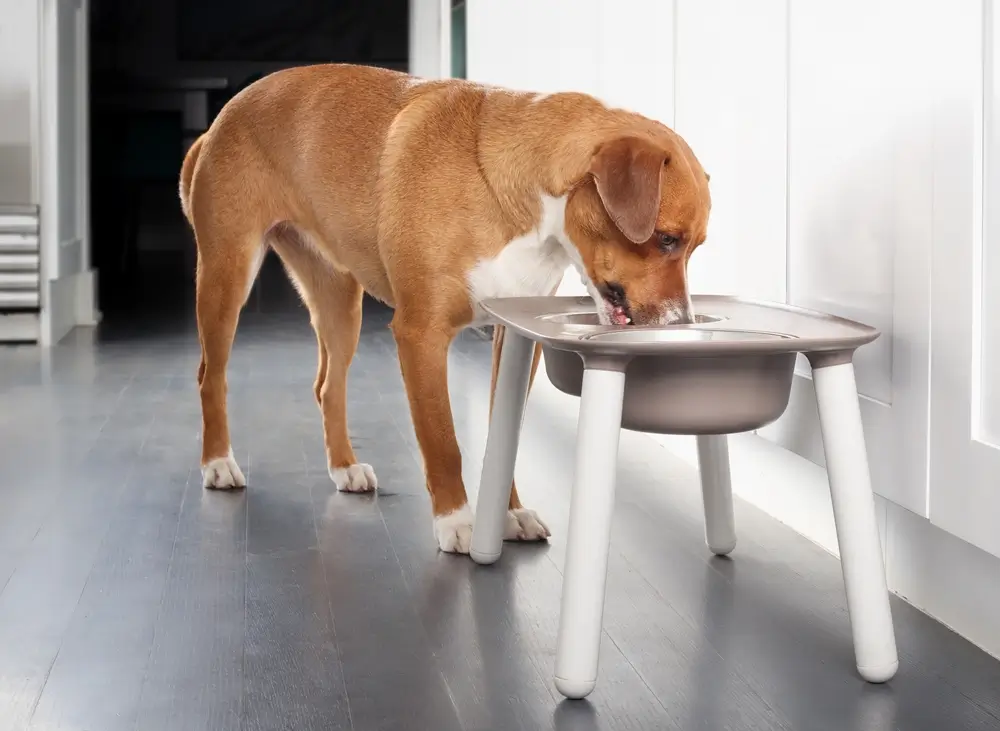
Slowing down how quickly your dog eats makes mealtimes more enjoyable and supports healthy digestion. Using slow-feeding bowls, snuffle mats or puzzle feeders adds mental stimulation and enrichment while preventing overeating. It’s a simple way to turn meals into a fun, engaging experience that’s good for both body and mind.
6. Monitor their progress:
Keeping a food diary is also a great habit. Logging every meal and treat gives a clear picture of daily intake, making it easier to spot extra calories, adjust portions, and celebrate the small wins as your dog moves toward a healthier weight.
7. Consider dog supplements for weight loss:
Certain supplements can support healthy weight management in dogs, but it’s always best to check with your vet before adding anything new to their diet. Ingredients that may be particularly helpful include fibre to promote fullness, Omega-3 fatty acids for metabolism and coat health, and probiotics or prebiotics to support digestion. When used alongside a balanced diet and regular exercise, the right supplements may give your dog a little extra boost on their weight-loss journey.
Why Exercise is Key for Dog Weight Management This Winter
Regular movement is essential for dogs, it burns calories, builds muscle, supports joints and helps maintain a healthy weight. Active dogs tend to be calmer, more confident and happier, while too little exercise can lead to restlessness or unwanted behaviours.
Winter doesn’t have to slow them down. Even on colder or icy days, short brisk walks help keep joints moving and calories burning. Stick to safe, slip-free routes and adjust the duration or pace to suit your dog’s age, breed and fitness level.
When outdoor adventures are limited, indoor exercise and enrichment are great alternatives. Enrichment toys or teaching new tricks keep dogs physically active, engage their minds and help manage weight. Short bursts of play throughout the day can be just as effective as longer walks.
Can senior dogs lose weight safely?
Senior dogs can lose weight safely with the right approach. Focus on gentle, low-impact exercise like short walks, swimming, or indoor play to burn calories without straining joints. Mental enrichment, such as puzzle feeders or teaching new tricks, encourages movement and keeps them engaged.
Pair exercise with a balanced, calorie-controlled diet and gradual portion adjustments. With consistency, older dogs can shed extra pounds, improve mobility, and enjoy a healthier, more comfortable life in their later years.
Maintaining a healthy weight for dogs
Losing weight is just the first step. Maintaining a healthy weight requires consistent habits, portion-controlled meals, regular exercise, and mindful treats. Keep track of progress, celebrate small wins, and continue offering enrichment and winter-friendly activity. With these routines, your dog can stay fit, happy, and healthy all year round, reducing the risk of obesity-related issues and supporting overall wellbeing.
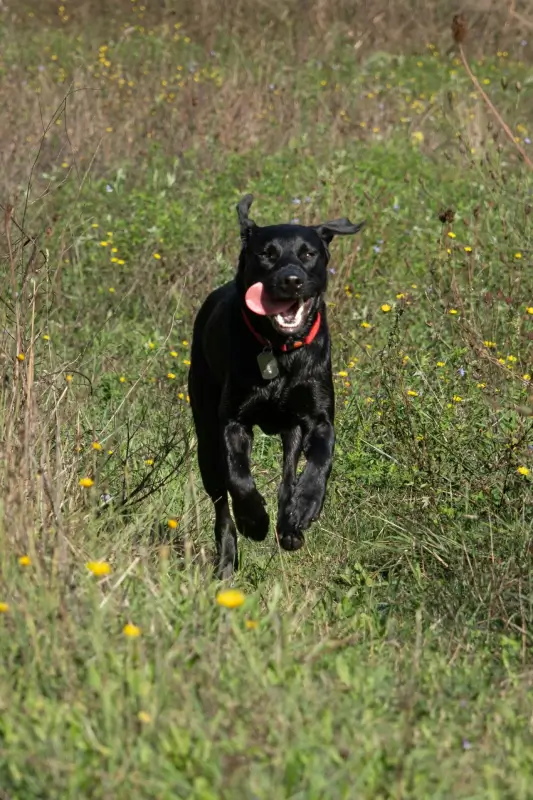
Photo by Sue Winston on Unsplash